

Introduction
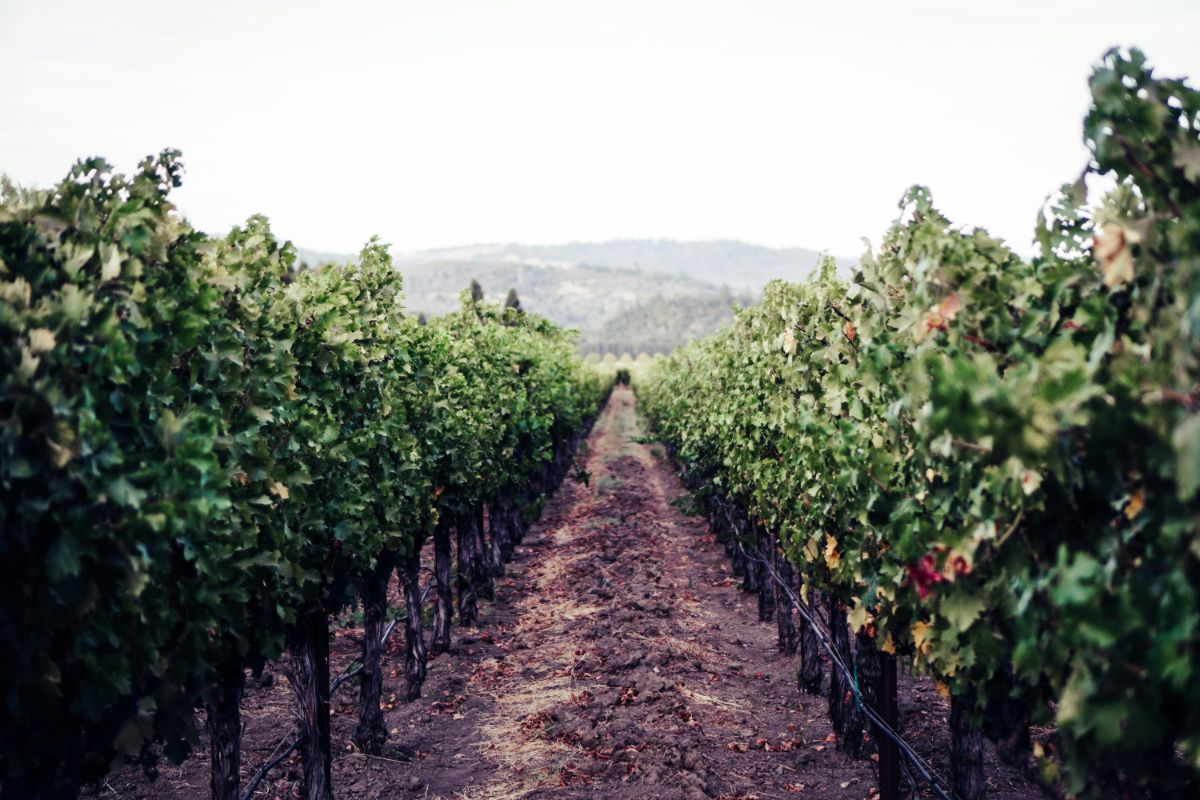
Starting a wine collection is an exciting journey for any wine enthusiast, and Napa Valley wines offer a perfect starting point. With a rich variety of styles, aging potential, and world-class quality, Napa Valley wines can become the foundation of a thoughtful and rewarding collection. Whether you’re collecting for personal enjoyment, investment, or long-term aging, understanding how to select, store, and grow your collection is key.
Choosing the Right Wines
When starting a wine collection, selecting the right bottles is essential. Consider the following factors:
- Age-Worthy Wines: Some Napa Valley wines are crafted for long-term aging, such as Cabernet Sauvignon, which develops complex flavors over time.
- Limited Production Wines: Collecting small-batch or allocated wines can increase the rarity and potential value of your collection.
- Personal Preferences: Start with wines you enjoy drinking, as your collection should reflect your taste.
- Diversity: Include a variety of varietals such as Chardonnay, Merlot, and Zinfandel to have a well-rounded collection.
Proper Wine Storage
Once you begin acquiring wines, proper storage is crucial to maintaining their quality and aging potential. Key considerations include:
- Temperature Control: Wines should be stored at a consistent 55°F (13°C) to prevent premature aging.
- Humidity Levels: A humidity range of 50-70% helps keep corks from drying out, preventing oxidation.
- Darkness: UV light can damage wine, so store bottles away from direct light.
- Minimal Vibration: Constant movement or vibrations can disrupt the aging process, so keep wines in a stable environment.
Building Your Collection Over Time
Growing a wine collection is a long-term process. Here are some tips for expansion:
- Buy in Multiples: If you find a wine you love, purchase multiple bottles—one for now and others for future enjoyment.
- Track Your Inventory: Use a wine-tracking app or spreadsheet to monitor bottle locations, purchase dates, and ideal drinking windows.
- Join Wine Clubs: Many Napa Valley wineries offer memberships that provide exclusive access to limited-edition wines.
- Attend Auctions & Tastings: These events allow collectors to acquire rare wines and discover new favorites.
Investing in Wine
For collectors interested in wine as an investment, consider:
- Provenance: Ensure the authenticity and storage history of high-value bottles.
- Wine Ratings & Reviews: Look at expert opinions and vintage reports to guide purchasing decisions.
- Resale Potential: Some Napa Valley wines appreciate in value, especially those from prestigious wineries.
Conclusion
Starting a wine collection with Napa Valley wines can be an enriching experience. With careful selection, proper storage, and thoughtful expansion, your collection will not only grow in value but also provide enjoyment for years to come.